 EN
EN

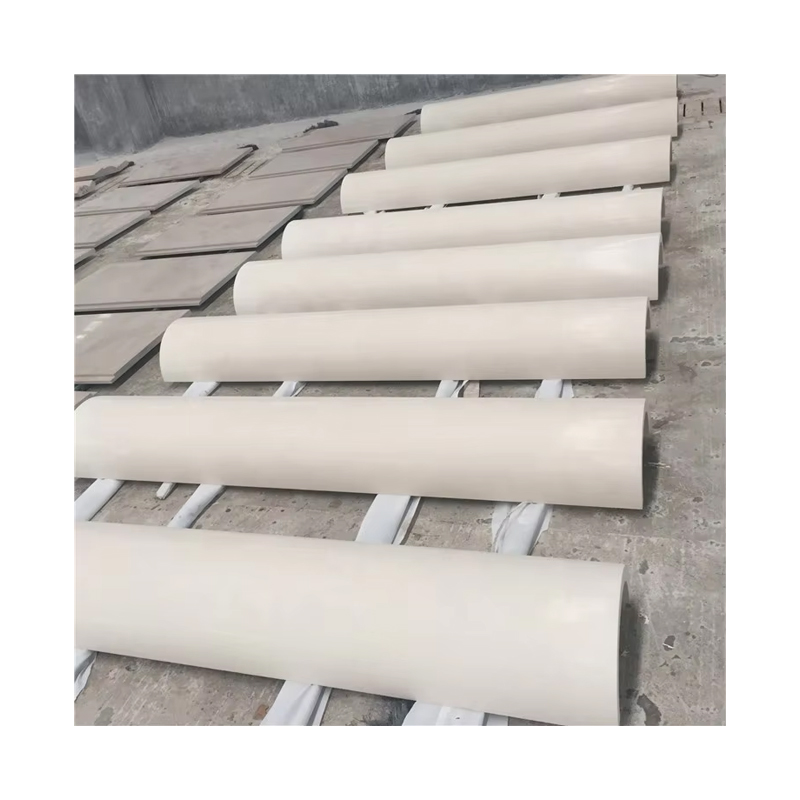
ថ្មកំប៉ុសគឺជាប្រភេទថ្មសាងសង់ដែលគេប្រើញឹកញាប់សម្រាប់ការប៉ាន់ផ្ទៃខាងក្រៅនៃអាគារ។ វត្ថុធាតុនេះត្រូវបានប្រើក្នុងគម្រោងសាងសង់ជាច្រើន ព្រោះវាផ្តល់នូវអត្ថប្រយោជន៍ល្អបំផុតគ្រប់គ្រាន់។ ទីមួយ ថ្មកំប៉ុសមានរូបរាងស្អាត ហើយអាចរកបានក្នុងពណ៌ស្អាតៗដូចជា ប្រផេះ ត្នោត ឬសូម្បីតែពណ៌ក្រៀម។ នៅពេលប្រើដើម្បីប៉ាន់ជញ្ជាំង វាធ្វើឱ្យបានល្អឥតខ្ចះខ្ចាយ ដែលមនុស្សជាច្រើនចូលចិត្តខ្លាំងណាស់។ បន្ថែមពីនេះ វាមានភាពធន់ និងអាចរក្សាបានយូរ ទោះបីជាប្រើក្នុងអាកាសធាតុគ្រប់ប្រភេទក៏ដោយ។ ក្រុមហ៊ុនដូចជា Paia ប្រើថ្មកំប៉ុសដោយសារតែភាពងាយស្រួល និងភាពអាចបត់ប៉ែនបានក្នុងការដំណាំ ព្រមទាំងសមត្ថភាពកាត់វាឲ្យបានជារាង និងទំហំផ្សេងៗគ្នា។ នេះមានន័យថា វាគឺជាជម្រើសល្អបំផុតសម្រាប់ផ្ទះតូចៗ រហូតដល់អាគារដែលមានទំហំធំដូចជាអាគារឧស្សាហកម្ម។ ថ្មកំប៉ុស ទោះបីជាបង្កើនភាពស្អាតនៅតាមតំបន់ណាមួយដែលវាត្រូវបានដាក់ក៏ដោយ ក៏វាអាចបង្កើនស្ថេរភាពរចនាសម្ព័ន្ធរបស់អាគារដែលវាបានដាក់ផងដែរ។
តើការទិញថ្មប៉ាន់ផ្ទៃខាងក្រៅសម្រាប់សាងសង់ដោយរបៀបទិញចំហេះ (Wholesale) ដែលធ្វើពីថ្មកំប៉ុសមានអត្ថប្រយោជន៍អ្វីខ្លះ?
ថ្មកំប៉ុលមានលក្ខណៈពិសេសជាច្រើនដែលមានប្រយោជន៍ ដែលធ្វើឱ្យវាជាជម្រើសល្អសម្រាប់ការគ្របដណ្តប់ផ្ទៃ។ គុណសម្បត្តិមួយគឺភាពធន់ទ្រាំរបស់វា។ មិនថាប្រេងភ្លៀងធ្លាក់ខ្លាំងប៉ុណ្ណាទេ ឬថ្មីៗនេះ អ្នកអាចមានអារម្មណ៍សុវត្ថិភាព និងស្រួលចិត្តនៅក្នុងអាគារដែលបានគ្របដណ្តប់ដោយថ្ម។ នេះគឺជាកត្តាសំខាន់ ព្រោះវាផ្តល់នូវការថែទាំតិច និងថ្លៃដើមសរុបទាបជាង។ គុណសម្បត្តិមួយទៀតគឺថ្មកំប៉ុលគឺជាថ្មធម្មជាតិ ដូច្នេះវាមិនប៉ះពាល់ដល់បរិស្ថានទេ។ ដោយការប្រើប្រាស់ ថ្មដីឥដ្ឋ អ្នកកំពុងជ្រើសរើសអ្វីមួយដែលល្អសម្រាប់ផែនដី។ វាក៏អាចជួយរក្សាអគារឱ្យត្រជាក់ក្នុងអាកាសធាតុក្តៅផងដែរ ហើយវាពិតជាអស្ចារ្យណាស់ក្នុងរដូវក្តៅ។ ទាក់ទងនឹងការរចនា ថ្មកំបោរគឺជាអារម្មណ៍នៃរចនាប័ទ្មដែលមិនចេះហួសសម័យ។ ការស្រោបថ្មកំបោរត្រូវបានជ្រើសរើសដោយស្ថាបត្យករ និងអ្នកសាងសង់ជាច្រើន ដើម្បីធ្វើឱ្យអគារមើលទៅអស្ចារ្យ។ ហើយវាស៊ីគ្នាយ៉ាងល្អជាមួយសម្ភារៈផ្សេងទៀត ចាប់ពីឈើ និងកញ្ចក់។ ភាពបត់បែននេះអនុញ្ញាតឱ្យមានរាងច្នៃប្រឌិត។ ហើយថ្មកំបោរជាទូទៅគឺជាជម្រើសដែលមានតម្លៃសមរម្យជាងជម្រើសថ្មផ្សេងទៀត។ វាក៏មានតម្លៃសមរម្យផងដែរ ដូច្នេះសូម្បីតែអ្នកម៉ៅការក៏ប្រើវាជំនួសឱ្យការតោងជញ្ជាំងថ្លៃៗដែរ។ ដោយដឹងថាអ្នកអាចមានរចនាប័ទ្ម និងការបញ្ចប់ផ្សេងៗគ្នាដែលធ្វើឡើងដោយក្រុមហ៊ុនដូចជា Paia វានឹងកាន់តែងាយស្រួលក្នុងការទទួលបានរូបរាងដែលអ្នកចង់បាន។ ជាចុងក្រោយ វាស្រាលជាង និងធ្វើឱ្យការដំឡើងកាន់តែសាមញ្ញ។ ដោយអាចធ្វើការបានកាន់តែងាយស្រួល វាលឿនជាងមុនក្នុងការអនុវត្ត និងពាក់ព័ន្ធនឹងកម្លាំងពលកម្មតិចជាង។ ទាំងអស់នេះរួមបញ្ចូលគ្នាធ្វើឱ្យថ្មកំបោរក្លាយជាជម្រើសដ៏ពេញនិយមសម្រាប់ការស្រោបជញ្ជាំងខាងក្រៅ។
របៀបជ្រើសរើសថ្មកំប៉ុតដែលល្អបំផុតសម្រាប់ការគ្របដណ្តប់ជញ្ជាំងខាងក្រៅរបស់អ្នក?
ការជ្រើសរើសថ្មបាយត្បូលដែលត្រឹមត្រូវសម្រាប់ការគ្របដណ្តប់ផ្ទៃខាងក្រៅអាគាររបស់អ្នកគឺមានសារៈសំខាន់ណាស់ ដើម្បីធានាថា អាគាររបស់អ្នកនឹងរក្សាបាននូវទំហំស្អាតរបស់វាជាប់គ្នាដោយគ្មានការបាក់បែកអស់រយៈពេលជាច្រើនឆ្នាំទៀត។ ចាប់ផ្តើមដោយពណ៌ និងស្ទីលដែលអ្នកចង់បាន។ ថ្មបាយត្បូលមានវត្តមាននៅក្នុងពណ៌ជាច្រើន ហើយពណ៌ទាំងអស់នេះអាចកំណត់អារម្មណ៍សម្រាប់ជញ្ជាំងទាំងបីរបស់អ្នក។ ពណ៌ស្រាលអាចធ្វើឱ្យបន្ទប់មួយមានអារម្មណ៍ធំទូទៅ និងមានអារម្មណ៍បើកចំហ ខណៈដែលពណ៌ងងឹតជាងនេះដូចជា ពណ៌ក្រាម ឬពណ៌ខៀវស្រាលអាចបន្ថែមភាពទាន់សម័យ។ បន្ទាប់មក ពិនិត្យមើលផ្ទៃរបស់ថ្មបាយត្បូល។ ថ្មបាយត្បូលដែលបានប៉ូលីសមានភាពភ្លឺថ្លា និងទាក់ទាញ ខណៈដែលផ្ទៃដែលមានភាពគ្រែងគ្រាប់អាចផ្តល់អារម្មណ៍ធម្មជាតិ។ ប្រភេទផ្ទៃដែលអ្នកជ្រើសរើសគួរតែស៊ីសាមគ្គគ្នាជាមួយការរចនារបស់អាគារទាំងមូល។ វាក៏ជាគំនិតល្អផងដែរ ដើម្បីគិតអំពីទីកន្លែងដែលអ្នករស់នៅ។ ប្រសិនបើអ្នករស់នៅក្នុងតំបន់ដែលមានភ្លៀងធ្លាក់ខ្លាំង ឬមានពពកក្រោម អ្នកប្រហែលជាត្រូវការថ្មបាយត្បូលប្រភេទដែលមានភាពធន់ទ្រាំខ្ពស់ជាង ដើម្បីឱ្យវាមានអាយុកាលប្រើប្រាស់យូរ។ សួរអំពីកម្រិតភាពរឹងរបស់ថ្មបាយត្បូល និងរបៀបដែលវាប្រែប្រួលនៅក្រោមឥទ្ធិពលអាកាសធាតុ។ នេះនឹងជួយអ្នកវាយតម្លៃថា តើអ្វីដែលល្អបំផុតសម្រាប់អ្នក។ ពិនិត្យមើលថា តើថ្មបាយត្បូលត្រូវបានប្រមូលផ្តុំពីណា និងត្រូវបានដំណាំដោយរបៀបណា។ កន្លែងខ្លះមានថ្មបាយត្បូលដែលអាចសាកសមសម្រាប់ការគ្របដណ្តប់ផ្ទៃខាងក្រៅបានល្អជាងកន្លែងផ្សេងៗ ដោយសារតែលក្ខណៈរបស់វា។ ចុងក្រោយ គិតអំពីថវិការបស់អ្នក។ ថ្មបាយត្បូលមានតម្លៃខុសៗគ្នា ដូច្នេះសូមពិចារណាអំពីអ្វីដែលសមស្របសម្រាប់អ្នក។ Paia មានថ្មបាយត្បូលជាច្រើនប្រភេទ ដូច្នេះមានអ្វីមួយសម្រាប់គ្រប់គ្នា និងគ្រប់ថវិកា។ ជម្រើសដែលល្អបំផុតប្រហែលជាការរកអ្នកជំនាញម្នាក់ ដើម្បីជួយអ្នកឆ្លងកាត់ដំណាំទាំងមូល។ ខ្ញុំនៅទីនេះដើម្បីណែនាំអ្នក ដើម្បីឱ្យការគ្របដណ្តប់ផ្ទៃខាងក្រៅរបស់អ្នកមិនត្រឹមតែមើលទៅអស្ចារ្យប៉ុណ្ណោះទេ ប៉ុន្តែក៏អាចរក្សាបានយូរអស់រយៈពេលជាច្រើនឆ្នាំផងដែរ។
បញ្ហាទូទៅ និងគន្លឹះសម្រាប់ការថែទាំផ្ទៃខាងក្រៅដែលធ្វើពីថ្មលេម
ថ្មលេមគឺជាថ្មមួយប្រភេទ ដែលមនុស្សជាច្រើនប្រើដើម្បីសាងសង់អាគារ និងផ្ទះនៅលើផ្ទៃខាងក្រៅ។ វាមានប្រជាបរិភោគច្រើន ព្រោះវាមានរូបរាងស្អាត និងងាយស្រួលក្នុងការធ្វើការ។ ប៉ុន្តែ មានបញ្ហាផ្ទៃខាងក្រៅ និងបញ្ហាទូទៅមួយចំនួនសម្រាប់ថ្មលេម។ ខ្នាតគ្រប គឺជាអ្វីដែលអ្នកធ្វើនៅពេលដាក់ស្រទាប់មួយនៃវត្ថុធាតុនៅលើផ្ទៃខាងក្រៅនៃអាគារសម្រាប់ការការពារ និងស្ទីល។ ប្រហែលជាបញ្ហាសំខាន់បំផុតគឺថា ដោយសារតែសំឡេងរបស់វាមានសមត្ថភាពស្រូបទឹក។ នៅពេលវាលិច ឬមានពពក ទឹកអាចឆ្លងចូលទៅក្នុងថ្មបាន។ ប្រសិនបើទឹកកក វានឹងរីកចម្រើន ហើយបណ្តាលឱ្យថ្មបាក់។ នេះអាចបណ្តាលឱ្យមានផលប៉ះពាល់អាក្រក់ក្នុងរយៈពេលវែង។ គុណវិបត្តិមួយទៀតគឺថា ថ្មបាយ៉ាស្តូនអាចឆេះនៅក្រោមពន្លឺថ្ងៃ ហើយដូច្នេះវាអាចបាក់ពណ៌ផងដែរ។ ពណ៌នៃថ្មអាចផ្លាស់ប្តូរប្រសិនបើវាស្ថិតនៅក្នុងទីតាំងដែលមានពន្លឺថ្ងៃច្រើន។ វាអាចក្លាយជាមិនភ្លឺ ឬមិនច្បាស់ពីពេលមួយទៅពេលមួយ។ នេះគឺជារឿងដែលអ្នកគួរគិតពីរាល់ពេលដែលអ្នកចង់ឱ្យអាគាររបស់អ្នកមើលទៅស្អាត។ បន្ថែមទៀត ថ្មបាយ៉ាស្តូនអាចមានភាពស៊ាំតិចជាងថ្មប្រភេទផ្សេងៗទៀត ដូច្នេះវាអាចស្លាប់ ឬបន្សល់ស្នាមបានងាយស្រួល។ នេះធ្វើឱ្យវាងាយស្រួលសម្រាប់វត្ថុណាមួយដែលមានភាពរឹងប៉ះ ហើយប៉ះប៉ះវាឲ្យបាក់។ ទោះបីជាមានបញ្ហាទាក់ទងនឹងទម្ងន់ ថ្មបាយ៉ាស្តូនក៏អាចជាជម្រើសល្អ ប្រសិនបើអ្នកថែរក្សាវាឱ្យបានល្អ។ ឧទាហរណ៍ ការបិទថ្មបាយ៉ាស្តូន (sealing) អាចជួយការពារការចូលរបស់ទឹក ហើយការសម្អាតជាប្រចាំក៏ជួយឱ្យវាមើលទៅស្រស់ស្អាតផងដែរ។ យើងដឹងអំពីរឿងនេះនៅ Paia ហើយហេតុផលដែលយើងអាចផ្តល់ដំបូន្មានដល់អ្នកសាងសង់ផ្ទះ ឬម្ចាស់ផ្ទះអំពីរបៀបប្រើប្រាស់វិធីសាស្ត្រថ្មបាយ៉ាស្តូនឱ្យបានប្រសើរក្នុងគម្រោងសាងសង់វិញ្ញាណ គឺដោយសារតែ បាទ អ្នកទាយត្រូវ សេវាកម្មរបស់យើងពង្រីកទៅក្រៅផងដែរ។
ការពិចារណាលើអាកាសធាតុ និងការដំឡើងឱ្យបានត្រឹមត្រូវសម្រាប់ថ្មលេម
វាក៏ជាការចាំបាច់ផងដែរ នៅពេលប្រើថ្មកំប៉ែត អ្នកត្រូវគិតពីសមត្ថភាពរបស់វាតាមរយៈអាកាសធាតុប្រកបដោយភាពចម្រុះផងដែរ។ ថ្មកំប៉ែតអាចដំណាំបានល្អណាស់នៅតំបន់ដែលក្តៅខ្លាំង។ វាបន្តបន្ទាប់នៅតែត្រជាក់ទោះបីជាក្នុងថ្ងៃក្តៅក៏ដោយ ដូច្នេះវាមានសុវត្ថិភាពសម្រាប់ប្រើប្រាស់ក្នុងការសាងសង់។ ទោះយ៉ាងណាក៏ដោយ នៅតំបន់ដែលត្រជាក់ខ្លាំងណាស់ ថ្មកំប៉ែតអាចបង្កបញ្ហាធ្ងន់ធ្ងរ។ សីតុណ្ហភាពក្តៅចុះទាបអាចបណ្តាលឱ្យមានបញ្ហាប្រសិនបើទឹកចូលទៅក្នុងថ្មហើយបន្ទាប់មកកក។ ដូចគ្នាដែរ នៅតំបន់ដែលក្តៅ និងស្ងួត ពន្លឺថ្ងៃក្តៅអាចប៉ះពាល់ប៉ះទង្គិចដល់សម្ភារៈនេះតាមពេលវេលា។ ទោះយ៉ាងណាក៏ដោយ វាមានសារៈសំខាន់ណាស់ដើម្បីធានាថា ថ្មកំប៉ែតមកពីទីកន្លែងល្អ ហើយវាមានស្ថេរភាព ដើម្បីទប់ទល់នឹងសីតុណ្ហភាពប្រកបដោយភាពប្រែប្រួល។ ខ្យល់ក៏អាចបង្កបញ្ហាដែរ ជាពិសេសនៅពេលមានគ្រាប់ផ្គរ។ ខ្យល់ និងភ្លៀងមិនមែនជាមិត្តស្រស់ស្អាតសម្រាប់ថ្មកំប៉ែតទេ ប្រសិនបើវាមិនត្រូវបានដំឡើងឱ្យបានត្រឹមត្រូវ។ ប្រសិនបើវាមិនត្រូវបានដំឡើងឱ្យបានត្រឹមត្រូវ ស្រទាប់ប៉ាក់អាចធ្លាក់ចុះ ឬបាក់បែក។ នៅ Paia យើងចំណាយពេលដើម្បីដំឡើងថ្មកំប៉ែតឱ្យបានត្រឹមត្រូវ ដើម្បីទប់ទល់នឹងអាកាសធាតុដែលមិនអាចទស្សន៍ទាយបាន។ ប្រសិនបើអ្នករស់នៅតំបន់ដែលអាកាសធាតុអាចក្តៅខ្លាំង ឬត្រជាក់ខ្លាំង អ្នកនៅតែស្ថិតក្នុងដៃដែលអាចទុកចិត្តបាន ព្រោះដោយសារការថែទាំ និងការថែរក្សាដែលបានត្រឹមត្រូវ ស្រទាប់ប៉ាក់ថ្មរបស់អ្នកនឹងនៅតែមើលទៅស្អាតជាប់គ្នាជាយូរមក។
វិធីដែលមានតម្លៃសមរម្យក្នុងការទិញថ្មបាក់កាបូនគុណភាពខ្ពស់សម្រាប់គម្រោងប៉ាក់ស្បែក
ភាពសម្បรณ៍ល្អ ថ្មដីឥដ្ឋ សម្រាប់គម្រោងប៉ាក់សំណាក់ មិនចាំបាច់ចំណាយប្រាក់ច្រើនទេ។ ថ្មលេមស្សែន ថ្មលេមស្សែន មាននៅទីនេះហើយ ហើយវាមានតម្លៃសមរម្យ។ មានវិធីជាច្រើនដើម្បីទិញថ្មលេមស្សែន ដោយមិនចាំបាច់ចំណាយប្រាក់ច្រើនពេក។ ការទិញចំនួនច្រើន (Bulk) គឺជាវិធីមួយដើម្បីទទួលបានតម្លៃល្អជាងសម្រាប់ប្រាក់របស់អ្នក។ អ្នកផ្គត់ផ្គង់ខ្លះគិតថ្លៃតិចជាងក្នុងមួយគ្រឿង សម្រាប់ចំនួនថ្មលេមស្សែនច្រើនៗ។ ហើយប្រសិនបើអ្នកទិញចំនួនប៉ះន់ប៉ែង អ្នកក៏អាចសន្សំប្រាក់លើថ្លៃដឹកជញ្ជូនផងដែរ។ វិធីមួយទៀតគឺព្យាយាមស្វែងរកអ្នកផ្គត់ផ្គង់ក្នុងតំបន់។ អាស្រ័យលើទីកន្លែងដែលអ្នករស់នៅ ថ្មលេមស្សែនដែលបានប្រមូលពីរណ្ដៅថ្មអាចមានតម្លៃថោកជាង ដោយសារតែអ្នកប្រហែលជាមិនចាំបាច់បង់ថ្លៃដឹកជញ្ជូនពីទីកន្លែងដែលឆ្ងាយរាប់រយម៉ាយល៍ទេ។ ក្រៅពីនេះ វាក៏ជួយគាំទ្រអាជីវកម្មក្នុងតំបន់ផងដែរ ដែលជារឿងល្អជានិច្ច! អ្នកក៏អាចសាកល្បងស្វែងរកការបញ្ចុះតម្លៃ ឬការផ្សព្វផ្សាយពិសេសតាមរដូវកាល នៅតាមហាងសម្ភារៈសាងសង់ផងដែរ។ នៅ Paia យើងខិតខំប្រឹងប្រែងដើម្បីកំណត់គោលដៅថវិកាសម្រាប់អតិថិជនរបស់យើង។ យើងយល់ពីតម្លៃនៃការធ្វើការក្នុងគោលដៅថវិកា ហើយយើងនឹងជួយអ្នកធ្វើការសម្រេចចិត្តដោយប្រុងប្រយ័ត្ន ដើម្បីសន្សំប្រាក់ជាមួយថ្មលេមស្សែន។ ទោះបីជាអ្នកត្រូវការថ្មលេមស្សែនទំហំស្តង់ដារ ឬទំហំពិសេសក៏ដោយ អ្នកក៏អាចទទួលបានថ្មលេមស្សែនគុណភាពល្អ ដោយមិនចាំបាច់ចំណាយប្រាក់ច្រើនពេក។ យើងតែងតែណែនាំអំពីសម្ភារៈល្អបំផុតសម្រាប់គម្រោងប៉ាក់សំណាក់របស់អ្នក ដើម្បីឱ្យអ្នកទទួលបានថ្មលេមស្សែនដែលមានសោភ័ណ្ឌភាព និងអាចទប់ទល់នឹងពេលវេលាបានយូរ។
ទំព័រ ដើម
- តើការទិញថ្មប៉ាន់ផ្ទៃខាងក្រៅសម្រាប់សាងសង់ដោយរបៀបទិញចំហេះ (Wholesale) ដែលធ្វើពីថ្មកំប៉ុសមានអត្ថប្រយោជន៍អ្វីខ្លះ?
- របៀបជ្រើសរើសថ្មកំប៉ុតដែលល្អបំផុតសម្រាប់ការគ្របដណ្តប់ជញ្ជាំងខាងក្រៅរបស់អ្នក?
- បញ្ហាទូទៅ និងគន្លឹះសម្រាប់ការថែទាំផ្ទៃខាងក្រៅដែលធ្វើពីថ្មលេម
- ការពិចារណាលើអាកាសធាតុ និងការដំឡើងឱ្យបានត្រឹមត្រូវសម្រាប់ថ្មលេម
- វិធីដែលមានតម្លៃសមរម្យក្នុងការទិញថ្មបាក់កាបូនគុណភាពខ្ពស់សម្រាប់គម្រោងប៉ាក់ស្បែក