 EN
EN


Discover why basalt stone is becoming the go-to sustainable building material for premium architecture and green construction projects. From basalt fiber rebar to high-end exterior cladding, explore 6 innovative applications that combine exceptional durability, natural aesthetics, and environmental performance for modern building design.
Introduction: The Volcanic Rock Revolution
In the search for sustainable, high-performance building materials, an ancient stone is quietly transforming premium architecture and green building projects: basalt stone. This fine-grained volcanic rock, formed from rapidly cooled lava, offers an exceptional combination of strength, durability, thermal stability, and environmental responsibility—qualities that align perfectly with the demands of modern high-end construction and sustainable architecture.
Far from being just another aggregate material for road construction, basalt has emerged as a sophisticated choice for architects, developers, and construction professionals who prioritize longevity, low carbon footprint, and striking natural aesthetics in their building projects. From iconic cultural landmarks and luxury hotels to cutting-edge green building renovations and eco-resorts, the versatility of basalt stone is being rediscovered and reimagined by construction professionals worldwide.
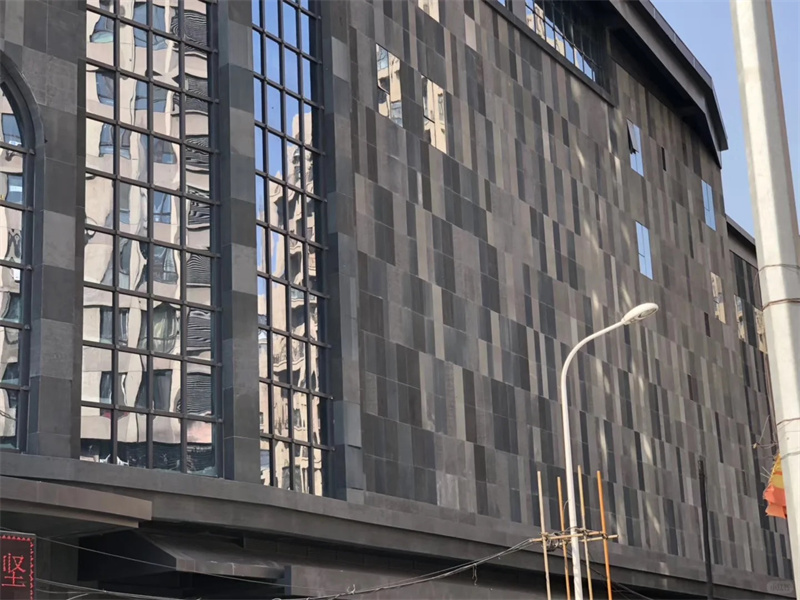
6 Innovative Applications of Basalt in Premium Architecture
1. Basalt Fiber Reinforced Polymer (BFRP) Rebar: A Non-Corrosive Construction Revolution
In construction projects like the Port of Miami Tunnel retaining walls in Florida and bio-based bridges in the Netherlands, basalt rebar has demonstrated exceptional performance in harsh, corrosive environments where traditional steel reinforcement would fail. This innovative building material showcases remarkable technical specifications that make it superior to conventional steel reinforcement in many applications. The tensile strength of basalt fiber reaches 850 to 1200 MPa, while steel typically offers only 500 to 700 MPa, meaning basalt provides 2.5 times greater strength-to-weight ratio than traditional steel reinforcement.
Most importantly, basalt fiber does not rust, which makes it the ideal choice for marine environments, coastal construction projects, and chemical exposure structures. The thermal conductivity of basalt is extremely low at not more than 0.5 W/mK, compared to steel which reaches up to 60 W/mK. This low thermal conductivity contributes significantly to energy efficiency in buildings and eliminates galvanic corrosion issues that can plague steel-reinforced structures. Additionally, basalt rebar weighs approximately only one-quarter of equivalent strength steel, which dramatically reduces transportation costs and installation labor requirements on construction sites.
When comparing basalt with traditional steel reinforcement, the advantages become even more compelling. Steel corrodes easily in moist environments, while basalt rebar exhibits excellent corrosion resistance that extends the service life of concrete structures by decades. Steel has a density of approximately 7,850 kg/m³, while basalt rebar is only about 2,100 kg/m³, which means significantly lighter weight and reduced transportation costs. In terms of thermal conductivity, basalt has very low thermal conductivity, while steel has high thermal conductivity, making basalt the superior choice for buildings where thermal performance matters. The service life of basalt rebar can reach 80 to 100 years or longer, while steel reinforcement typically lasts only 30 to 50 years.
Basalt rebar is particularly well-suited for coastal resorts, marinas, and waterfront promenades where salt air accelerates steel corrosion. Infrastructure projects like tunnels, bridges, and highway sound walls benefit from basalt's superior durability. Industrial facilities and chemical plants can avoid costly reinforcement corrosion problems with basalt rebar. Additionally, luxury residential projects with embedded radiant heating systems can utilize non-conductive basalt rebar to avoid thermal bridging issues.
2. Architectural Facades and Exterior Cladding: Sophisticated Sustainable Building Envelopes
The Dominus Winery in Napa Valley, designed by the renowned architecture firm Herzog & de Meuron, utilizes gabion walls filled with locally sourced dark green basalt stones to create a unique "stone wickerwork" facade that effectively modulates light and temperature throughout the day. In Iceland, the Bara Tíu Dropar and Hverfjall Coffee House projects use basalt cladding panels that blend seamlessly with the volcanic landscape while supporting rainwater harvesting systems and green roof integration.
Basalt stone offers a compressive strength ranging from 100 to 300 MPa, which matches or exceeds many premium granite materials. The high density of basalt, between 2.8 to 3.0 g/cm³, provides substantial thermal mass that effectively reduces heating and cooling loads in buildings. Basalt demonstrates excellent resistance to freeze-thaw cycles, acid rain damage, and prolonged UV exposure, making it ideal for exterior applications. Through flamed or honed finishes, basalt achieves good slip resistance while showing minimal staining, which translates to very low maintenance requirements for building owners.
When compared with traditional stone cladding materials like granite, basalt offers distinct advantages in building applications. Granite offers varied color options including white, pink, and grey tones, while basalt provides consistent dark grey to black coloration that creates a sophisticated, modern aesthetic. In terms of cost, basalt is generally more affordable and economically attractive, while decorative granite colors can be significantly more expensive. Regarding thermal stability, basalt can withstand extreme temperature fluctuations without cracking, whereas granite, while performing well, may develop cracks under rapid temperature changes. For workability and finish options, basalt is difficult to polish but excels in flamed and honed finishes, while granite takes a high polish and is widely used for countertops and interior applications.
Basalt is particularly suitable for luxury hotels, museums, and cultural centers seeking a distinctive natural stone appearance. Modern minimalist office building facades benefit from basalt's sleek dark aesthetic. Eco-resorts and retreat facilities in volcanic or coastal regions can blend harmoniously with the natural environment using basalt cladding. High-end residential exterior walls and landscaping features achieve exceptional durability and visual appeal with basalt stone applications.
3. Basalt Wool Insulation: High-Performance Fire-Resistant Building Envelope
The Bankers Court project in Calgary, Canada achieved LEED Gold certification through the use of basalt-based mineral wool insulation materials. Similarly, the Kaiser Permanente Mission Bay project in San Francisco attained LEED Gold status by incorporating basalt wool ceiling panels and insulation materials throughout the building.
Basalt wool insulation demonstrates exceptional fire performance as a non-combustible material that can withstand temperatures up to 1,000°C (1,832°F) without releasing toxic smoke or hazardous fumes. In acoustic performance applications, basalt wool achieves Noise Reduction Coefficients (NRC) ranging from 0.60 to over 1.05, making it highly effective for HVAC noise reduction and reverberation control in commercial buildings. Basalt wool exhibits excellent moisture resistance and is naturally resistant to mold and mildew growth, maintaining its thermal performance even at 100% relative humidity. From a sustainability perspective, basalt wool contains up to 53% recycled content including both pre-consumer and post-consumer materials, and is fully recyclable at the end of its service life.
When compared with traditional insulation materials like fiberglass, the advantages of basalt wool become clear. Fiberglass is combustible and requires additional fire barriers, while basalt wool is non-combustible with excellent fire ratings that enhance building safety. Fiberglass can support mold growth if moisture becomes trapped within the insulation, while basalt wool has excellent moisture tolerance and will not support mold growth. In terms of acoustic performance, basalt wool can achieve NRC values of 1.05 or higher, whereas fiberglass typically ranges between 0.70 to 0.95. Regarding recycled content, basalt wool can contain up to 53% by weight, while fiberglass insulation usually contains only 20-30% recycled materials.
Basalt wool is particularly well-suited for LEED-certified office towers and mixed-use commercial development projects where high thermal performance and fire safety are priorities. Healthcare facilities, educational institutions, and libraries benefit from both the acoustic performance and fire resistance of basalt wool. Concert halls, theaters, and recording studios achieve superior acoustic environments using basalt wool insulation. Passive House and net-zero energy buildings can meet rigorous thermal performance requirements with basalt wool insulation systems.
4. Premium Flooring, Paving, and Landscape Design: Durability Meets Natural Aesthetics
The Radisson Resort & Spa in Lonavala, India, designed by Malik Architecture, incorporates basalt stone in exterior paving and landscape features to harmonize with the natural character of the Sahyadri Hills region.
Basalt demonstrates exceptional wear resistance in high-traffic areas with very low abrasion loss, making it ideal for commercial flooring applications. Flamed or honed finishes provide high coefficients of friction that ensure excellent slip resistance for outdoor plazas and pool decks. Due to its high thermal inertia, basalt remains cool underfoot in hot climates, providing comfort for outdoor living spaces. Basalt can be fabricated into large-format tiles, pavers, and custom landscape elements, offering designers tremendous flexibility in creating unique outdoor spaces.
When compared with alternative flooring materials like concrete pavers, basalt offers superior longevity and performance. Basalt provides a service life of 50 to 100+ years with minimal maintenance requirements, while concrete pavers typically last only 20 to 30 years and may crack or spall over time. Aesthetically, basalt provides natural, earthy elegance with unique variations in color and texture, while concrete pavers present a uniform, industrial appearance that lacks natural character. Regarding sustainability, basalt has a lower carbon footprint per unit area and represents an abundant natural resource, while concrete pavers have higher embodied carbon per unit area. In terms of thermal mass, basalt provides high thermal mass that enables passive cooling in hot climates, while concrete offers only moderate thermal performance.
Basalt is particularly suitable for luxury resorts and hotels for pool decks and exterior walkways where durability and safety are essential. Corporate campuses and public plazas benefit from the long-term performance and sophisticated appearance of basalt paving. High-end residential driveways, terraces, and garden paths achieve exceptional beauty and minimal maintenance with basalt stone. Museums, galleries, and monument landscaping create dignified, lasting outdoor spaces using basalt materials.
5. Gabion and Modular Stone Systems: Lightweight Structural Aesthetics
The Dominus Winery in Napa Valley uses gabion walls filled with locally sourced basalt to create a breathable, thermally regulating building facade. Landscape and retaining wall projects worldwide utilize basalt-filled gabions for erosion control and architectural screening applications.
Gabion wall systems offer excellent modularity and customization options. The wire baskets can be filled with stones of varying sizes to control transparency and light filtration through the wall structure. Gabion walls are structurally versatile and can be used as load-bearing walls, retaining walls, privacy screens, and acoustic barriers in various building applications. The inert stone mass in gabion walls provides excellent thermal insulation, isolating interior spaces from exterior temperature extremes and reducing HVAC loads. From a sustainability perspective, gabion walls use locally abundant stone materials with minimal processing, and are fully recyclable at the end of their service life.
When compared with traditional stone masonry construction, gabion walls offer several advantages. Gabion walls can be constructed quickly through modular on-site assembly, while traditional stone masonry construction is slow and requires highly skilled masons. In terms of weight, gabion walls are lighter due to the wire cage structure, reducing foundation requirements, while traditional masonry is heavy and requires robust structural foundations. Regarding thermal behavior, the air gaps in gabion walls enhance insulation performance, while solid masonry mass conducts heat more readily. For aesthetic control, gabion walls allow adjustable stone size and fill density, while traditional masonry aesthetic control is limited by stone block dimensions.
Gabion walls are particularly suitable for wineries, breweries, and agricultural-tourism complexes seeking a rustic yet sophisticated appearance. Eco-resorts and retreat facilities with site-specific stone palettes can achieve harmonious integration with the local landscape. Urban screening walls and highway sound barriers benefit from the sound-absorbing properties of gabion systems. Residential privacy walls and garden features achieve both functionality and aesthetic appeal with gabion construction.
6. Basalt Fiber Reinforced Concrete (BFRC): Enhanced Durability and Crack Control
Industrial floors, warehouse slabs, and precast concrete panels worldwide incorporate basalt chopped fibers to significantly reduce plastic shrinkage cracking. Bridge and tunnel linings in aggressive environments such as marine tunnels and chemical plants utilize basalt fiber-reinforced shotcrete for superior durability.
Basalt fibers demonstrate exceptional tensile strength ranging from 2,800 to 5,000 MPa, compared to approximately 500 MPa for steel reinforcement bars. Basalt fibers can reduce plastic shrinkage cracking by up to 90%, effectively limiting crack width even after cracking occurs. Basalt fiber reinforcement improves concrete's ability to absorb impacts and resist cyclic loading, making it ideal for industrial applications. Basalt fibers feature alkali-resistant coatings that provide excellent compatibility with concrete mixtures, outperforming E-glass fibers in highly alkaline concrete environments.
When compared with conventional reinforcement methods, basalt fibers offer clear advantages for crack control and durability. Basalt fibers reduce microcracking and plastic shrinkage that cannot be addressed by steel reinforcement. Regarding corrosion resistance, basalt fibers are non-corrosive and significantly extend concrete service life, while steel reinforcement rusts and leads to concrete spalling requiring expensive repairs. In terms of weight, basalt fibers are extremely lightweight and easily incorporated into concrete mixes, while steel reinforcement is heavy and requires careful placement during concrete pouring. For electrical properties, basalt fibers are non-conductive and ideal for sensitive equipment facilities, while steel reinforcement is conductive and may interfere with electronic equipment.
Basalt fiber reinforced concrete is particularly suitable for industrial floors, parking decks, and warehouse slabs where durability and crack resistance are critical. Precast concrete elements including beams, columns, and panels benefit from the enhanced performance of basalt fiber reinforcement. Shotcrete applications for tunnels, mines, and slope stabilization achieve superior bonding and reduced cracking with basalt fibers. High-performance residential slabs and foundations can achieve exceptional durability and reduced maintenance requirements with basalt fiber reinforced concrete.
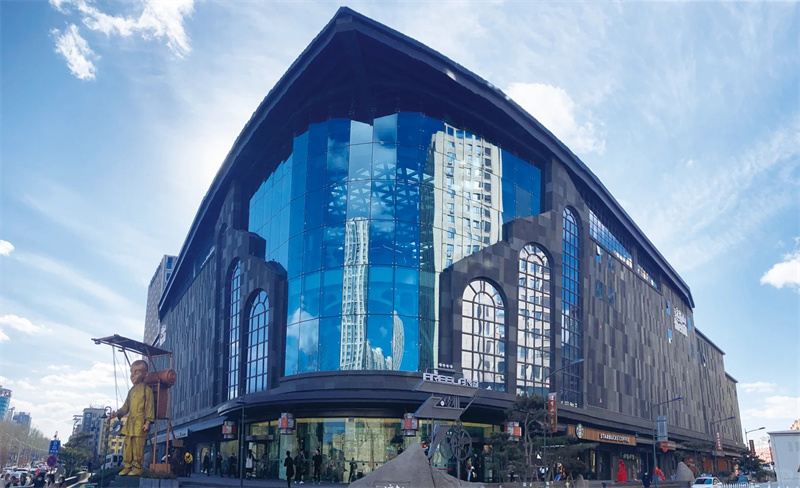
Industry Trends: Basalt in Sustainable Building and Green Certification
Basalt-based materials are increasingly recognized for their valuable contributions to green building rating systems including LEED, BREEAM, and Living Building Challenge certification programs.
In LEED v4.1 scoring, basalt products such as basalt wool insulation and basalt fiber composites can earn points in the Materials & Resources category through their recycled content of up to 53% including both pre-consumer and post-consumer materials. When locally quarried or manufactured, basalt materials qualify as regional materials that contribute to LEED points. Environmental Product Declarations (EPDs) for basalt products are widely available, supporting documentation requirements. In the Energy & Atmosphere category, basalt wool's high R-value and thermal stability help optimize building energy performance. For Indoor Environmental Quality credits, low-emitting basalt wool products contribute to acoustic performance and thermal comfort requirements.
Regarding embodied carbon, basalt products typically have lower embodied carbon than steel reinforcement or conventional insulation materials, supporting carbon-neutral construction goals and net-zero building initiatives. In terms of circular economy principles, basalt is abundant with regeneration rates 38,000 times faster than depletion rates, is recyclable, and generates minimal waste during processing, which represents a key advantage for material transparency credits in green building certifications.
Practical Guide: Selecting and Applying Basalt Materials
For architects and designers, the first step is defining performance priorities for the building project. If corrosion resistance is the primary concern, basalt fiber reinforced polymer rebar or basalt fiber reinforced concrete provide excellent solutions. When seeking thermal mass combined with natural aesthetics, basalt cladding and gabion walls offer compelling options. For projects prioritizing fire safety and acoustic performance, basalt wool insulation represents the ideal choice.
For finish and application matching, exterior applications should utilize flamed or honed finishes that provide slip resistance and weathering durability. Interior applications can achieve a sleek, contemporary appearance with polished finishes, while sandblasted finishes provide texture for accent surfaces. For flooring and paving applications, bush-hammered or flamed finishes deliver optimal durability and traction performance.
When considering local sourcing, basalt is globally abundant and widely available. Selecting local quarries reduces transportation emissions and contributes to regional material credits in green building certifications. Early collaboration with suppliers is essential, as engaging basalt manufacturers during the design development phase enables access to technical data, Environmental Product Declarations, and custom finish options.
For developers and property owners, lifecycle cost analysis represents a critical consideration. The durability and corrosion resistance of basalt materials typically translate to lower maintenance and replacement costs over a 50-100 year service life. Regarding certification readiness, basalt materials streamline LEED/BREEAM documentation due to their recycled content, regional availability, and comprehensive EPDs. For insurance premiums, fire-resistant basalt wool and non-corrosive rebar can reduce fire and structural insurance premiums in certain regions, providing long-term financial benefits.
Conclusion: The Future is Basalt
Basalt is no longer the "underrated" stone of ancient history—it has emerged as a cornerstone material for sustainable, high-performance architecture and green building construction. From its non-corrosive rebar and fire-resistant insulation to its sophisticated facades and durable paving, basalt offers building solutions that meet the triple bottom line of social, environmental, and economic responsibility.
As green building standards continue to tighten globally and clients demand greater longevity and reduced lifecycle impacts from their construction projects, basalt's role in premium architecture will only expand and strengthen. Architects, developers, and designers who embrace this volcanic rock today are positioning their building projects at the forefront of sustainable, resilient, and aesthetically exceptional construction that meets the demands of tomorrow's built environment.
Take the Next Step:
Explore our curated collection of premium basalt stone cladding, high-performance basalt wool insulation, and BFRP rebar solutions for your next building project. Contact our expert team for comprehensive technical data, material samples, and project-specific recommendations. Let's build a more resilient, sustainable future together with basalt materials.
About Us
Xiamen Paia Import Co,Ltd,is a leading global stone trading company speciaizing in providing high-quality natural stone and related processing services,We are committed to providing exceptional stone products to global customers through innovative technologies and environmentally friendly practices,and contributing to the sustainable development of the industry.
Email: [email protected]
Tel:0086-13799795006
Mission: To deliver superior stone materials through precise craftsmanship, sustainable sourcing, and innovative surface technologies—enhancing the quality, durability, and beauty of every space we touch.
Vision: To become a global leader in high-end stone solutions, redefining modern architecture and interior design with materials that combine natural elegance, advanced performance, and environmental responsibility.
Slogan: Stronger. Smarter. More Beautiful. Better.