 EN
EN


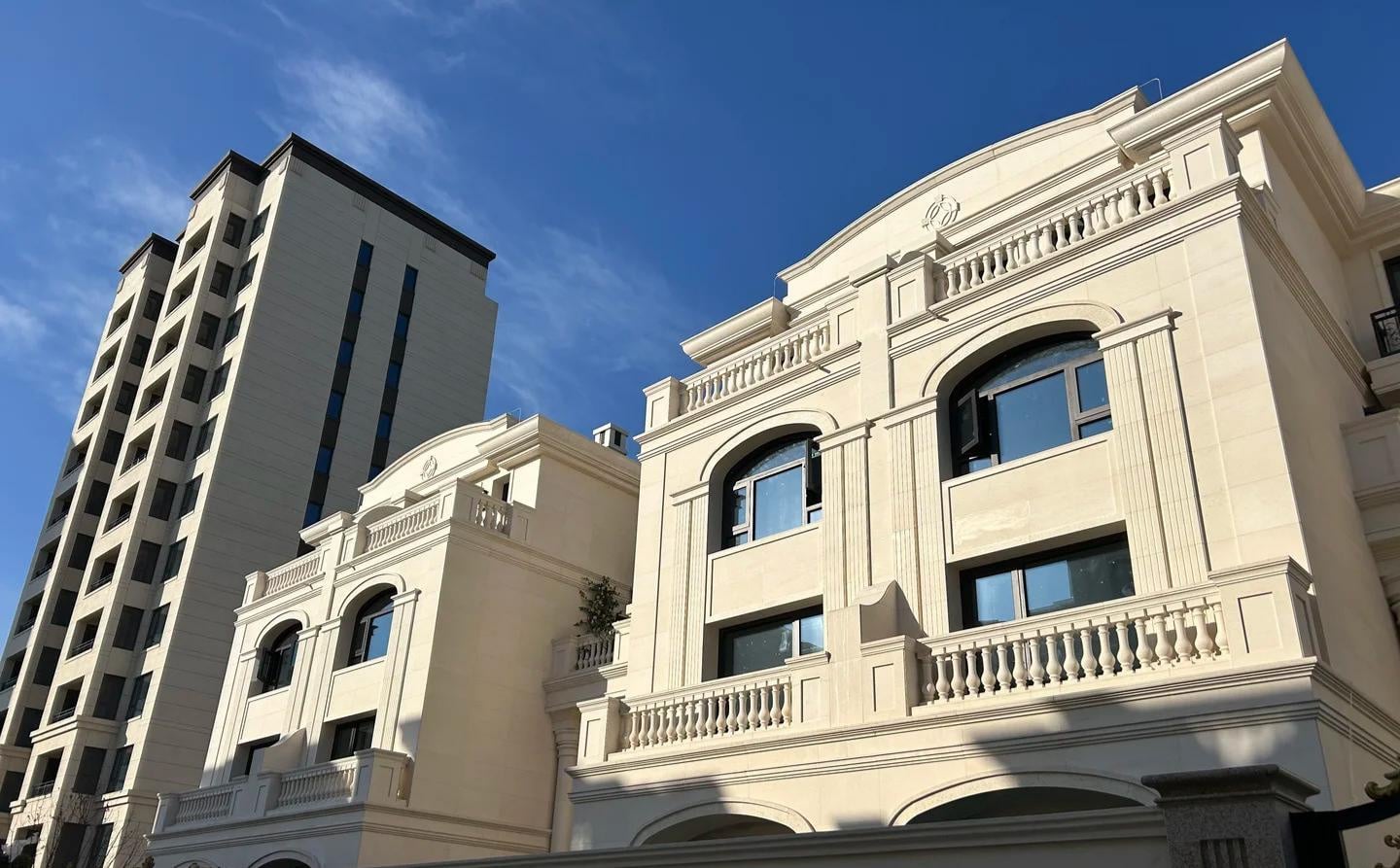
Stone curtain walls, known for their aesthetic appeal and exceptional durability, have become a cornerstone in modern architecture. Whether used in commercial skyscrapers, luxury hotels, or upscale residential buildings, natural stones such as granite, limestone, and travertine are highly favored for curtain wall systems. However, despite their widespread use, several risks remain in stone curtain wall installation that can affect both the longevity and safety of the structure. In this article, we will examine the five most common risks in stone curtain wall construction and provide professional solutions to mitigate these issues, ensuring safety, functionality, and visual integrity. This guide is specifically designed to help architects, contractors, and property developers make informed decisions when it comes to stone curtain wall systems.
1. Improper Material Selection for Stone
Risk Analysis:
The choice of stone is paramount to the performance of the curtain wall system. Different types of natural stone have distinct physical properties, making them suitable for specific environments. Granite, for example, offers high compressive strength and low water absorption, making it ideal for high-rise buildings where durability and weather resistance are crucial. On the other hand, limestone is softer and more porous, which may lead to deterioration in harsh weather conditions, while travertine offers a unique visual appeal but may lack sufficient resistance to freeze-thaw cycles in colder climates.
Solution:
When choosing stone for curtain walls, it is critical to consider the building’s location, climate, and functional requirements. Granite should be prioritized for larger-scale commercial projects and high-rise buildings, where strength and durability are the highest priorities. For decorative applications or low-rise structures, limestone and travertine can be used, but proper sealing and treatment are necessary to enhance their resistance to weathering and moisture infiltration. Always choose certified stones with proven durability and conduct rigorous testing to ensure they meet required standards.
2. Misaligned Support Systems and Fixing Methods
Risk Analysis:
The support system for a stone curtain wall is one of the most critical components of its construction. If the support structure is not properly designed to handle the weight and dynamic loads of the stone, such as wind or seismic forces, the stone could become dislodged, cracked, or even detached, posing a significant safety risk. For heavier stones like granite, the support system needs to be especially robust to prevent failures under pressure.
Solution:
It is essential to design and install a support system that is not only strong but also compatible with the weight and size of the chosen stone. Ensure that the stone cladding is securely anchored using stainless steel anchors or aluminum frames, which offer both strength and corrosion resistance. Proper calculation of load-bearing capacity, including wind load and seismic considerations, is crucial. Additionally, use high-quality fixing components to guarantee that each stone panel remains stable and firmly attached to the structural frame.
3. Inadequate Expansion Joints and Sealing Design
Risk Analysis:
Improperly designed expansion joints and seals are one of the most common causes of long-term failure in stone curtain walls. If expansion joints are not sized appropriately, or if the sealing materials are not durable enough, the curtain wall could experience deformation, cracking, or water penetration. This issue is particularly crucial when using granite, which has a higher thermal expansion rate compared to softer stones like limestone.
Solution:
Expansion joints should be carefully designed to accommodate the natural thermal expansion and contraction of the stone. The joint size must be calculated based on the thermal expansion coefficient of the material, the building’s height, and the local climate. Sealing materials, such as high-quality silicone or polyurethane sealants, should be chosen for their elasticity and resistance to weathering. Moreover, ensure that joints are positioned in areas where movement is most likely to occur, such as corners, edges, and where the stone panels meet structural elements.
4. Insufficient Waterproofing Measures
Risk Analysis:
Water infiltration is a significant concern for stone curtain walls, particularly for stones with higher porosity like limestone and travertine. If water penetrates the stone or the joints between the stones, it can lead to staining, efflorescence, and even structural damage over time. Failure to implement effective waterproofing measures can severely shorten the lifespan of the stone facade.
Solution:
To prevent water penetration, it is essential to apply a waterproofing membrane or penetrating water repellent to the stone surface during installation. For highly porous stones like limestone or travertine, additional protective coatings may be needed to ensure the stone remains resistant to moisture. Moreover, all joints should be properly sealed with waterproof silicone sealants that can withstand environmental factors, such as rain or freezing temperatures. The curtain wall system should also be designed with proper drainage pathways to channel water away from the facade and prevent buildup behind the panels.
5. Non-compliant Construction Practices
Risk Analysis:
Even with the best materials and designs, improper construction practices can lead to catastrophic failures. This includes improper installation techniques, failure to adhere to design specifications, and substandard workmanship. A lack of attention to detail during the installation process can result in misaligned stone panels, unsealed joints, or inadequate support, leading to eventual damage and increased maintenance costs.
Solution:
To avoid construction-related issues, it is critical to hire a skilled and experienced team of installers who are well-versed in the specific requirements of stone curtain wall systems. Ensure that construction follows the approved design and that the installation process adheres to the highest quality standards. Use precision tools to verify alignment and spacing of stone panels during installation. Additionally, conduct regular quality control inspections throughout the project to ensure compliance with industry standards and prevent issues from arising during later stages.
Conclusion: Ensuring the Quality and Safety of Stone Curtain Walls
Stone curtain walls provide an exceptional aesthetic and structural solution for modern buildings. However, the installation of these systems requires meticulous attention to detail and an understanding of the material properties and construction techniques. By choosing the right stone, designing robust support systems, ensuring proper expansion joint and seal designs, implementing effective waterproofing, and adhering to high construction standards, you can mitigate common risks and ensure the longevity and safety of the stone curtain wall.
For architects, contractors, and developers working with stone curtain walls, it is essential to approach every project with a focus on quality and safety. Ensuring proper material selection and construction methods will not only enhance the beauty and functionality of the building but will also protect the structure for many years to come.
About Us:
Xiamen Paia Import & Export Co, Ltd,is a leading global stone trading company specialzing in providing high-quality natural stone and related processing services, We are committed to providing exceptional stone products to global customers through innovatve technologies and environmentally friendly practices, and contributing to the sustainable development of the industry.
Email: [email protected]
Tel:0086-13799795006
Mission: To deliver superior stone materials through precise craftsmanship, sustainable sourcing, and innovative surface technologies—enhancing the quality, durability, and beauty of every space we touch.
Vision: To become a global leader in high-end stone solutions, redefining modern architecture and interior design with materials that combine natural elegance, advanced performance, and environmental responsibility.
Slogan: Stronger. Smarter. More Beautiful. Better.